
No Injections, No Stitches, No Bandages: What to Expect During Modern Day-Care Phaco Surgery
Afraid of cataract surgery? Learn step-by-step how modern MICS Phacoemulsification works at Ashvini Netralaya. From painless topical numbing drops to same-day discharge in 2 hours, here is everything you need to know.
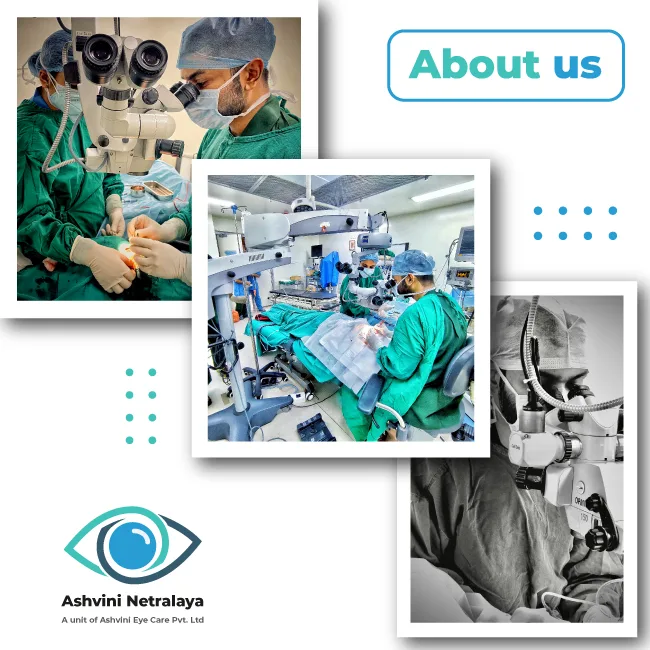
- Traditional cataract surgery requiring large incisions, sutures, and bulky eye patches has been superseded by 1.8mm Micro-Incision Cataract Surgery (MICS).
- No painful injections around the eye: surgery is performed comfortably under topical anesthetic eye drops.
- The entire procedure takes only 10 to 15 minutes inside state-of-the-art modular laminar airflow operating rooms.
- Patients walk in, undergo surgery, and return home within 2 to 3 hours with clear protective goggles instead of a heavy bandage.
- Clear, high-contrast vision begins returning within 24 hours, with full recovery within a few days.
1. Dispelling Old Fears of Cataract Operations
For decades, the words 'eye operation' evoked frightening images: huge needles pushed under the eyeball, stitches that scratched with every blink, sandbags placed beside the head to keep the patient still, and a week-long stay in hospital beds.
At Ashvini Netralaya, we are proud to say those days are long gone.
Thanks to remarkable advancements in ophthalmic micro-engineering, cataract surgery today is an elegant, outpatient procedure that takes less than 15 minutes. In fact, many of our patients remark on the operating table: 'Doctor, are you really done? I didn't feel anything!'
Here is an unvarnished, step-by-step walkthrough of what actually happens from the moment you arrive at our Agartala hospital on surgery morning.
2. The Surgery Day Timeline: Step by Step
**9:30 AM — Arrival & Pre-Operative Preparation**
You arrive at Ashvini Netralaya accompanied by a family member. Our clinical nurses confirm your pre-operative vital signs (blood pressure and blood sugar) and administer gentle dilating and antibiotic eye drops. You do not need to fast for 12 hours; a light breakfast is completely fine.
**10:15 AM — The Anesthetic: Topical Drops Only**
Instead of a painful needle block into your eye socket, we use advanced 'Topical Anesthesia.' Specially formulated numbing eye drops are placed in your eye over several minutes. The surface of your eye becomes completely insensitive to pain, while your heart and breathing remain totally relaxed.
**10:30 AM — Inside the Modular Operating Theater**
You are escorted into our ultra-clean, laminar airflow modular OT. You lie down on a soft, contoured surgical bed. A sterile, breathable drape is placed over your face with an opening around the eye. A gentle eyelid holder keeps you from blinking.
You will look up at three soft lights from the Carl Zeiss surgical microscope. You will hear gentle humming sounds from the Alcon phacoemulsification console and soothing music playing in the theater.
**The Microscopic Procedure (10 to 15 minutes)**
Through a self-sealing 1.8mm micro-incision at the edge of the cornea, the surgeon creates a circular opening in the thin lens capsule (capsulorhexis). A high-frequency titanium needle vibrates at 40,000 Hz, dissolving the hard cataract into microscopic particles that are gently vacuumed away. Then, a foldable intraocular lens (IOL) is injected smoothly into your natural capsule, unfolding into perfect position.
No stitches are placed; internal intraocular water pressure seals the microscopic valve-like incision automatically.
3. Post-Operative Care: What Happens Next?
Immediately after surgery, you sit comfortably in our post-operative recovery lounge for 30 minutes with a cup of warm tea. Because there is no grogginess from general anesthesia, you can chat with your family immediately.
We do not place bulky cotton pads or bandages over your eye. Instead, you are given lightweight, transparent protective goggles that protect your eye from dust while allowing you to see through the clear lens.
Before 12:30 PM, you receive your eye drop kit, an easy-to-follow medicine timetable, and your discharge summary. You are free to return home or to your coordinated hotel.
4. Golden Recovery Rules for the First Week
Recovery from modern phaco surgery is remarkably rapid, but protecting the healing incision requires following a few common-sense precautions during the first 7 to 10 days:
- **Keep Water Away**: Wash your face with a clean damp cloth; do not splash unboiled tap water directly into your open eye for 7 days.
- **No Eye Rubbing**: Never press, rub, or squeeze the operated eye, especially during sleep. Wear your protective eye shield at night.
- **Avoid Heavy Lifting**: Avoid lifting heavy weights (above 10 kg) or straining intensely during bowel movements for one week.
- **Instill Drops Reliably**: Always wash your hands with soap before instilling prescribed antibiotic and anti-inflammatory eye drops.
Cooking and Reading
You can watch television, read on your mobile phone, and walk around comfortably the very next morning. Light cooking can be resumed after 4 to 5 days once steam and oil exposure are minimized.
Frequently Asked Patient Questions
What if I cough, sneeze, or move during cataract surgery?
Can I have both eyes operated on the same day?
Why does my vision look slightly bright or blue immediately after surgery?
Ashvini Netralaya • Superspeciality Eye Hospital
Need a Specialist Eye Consultation or Second Opinion?
Ashvini Netralaya is Tripura's 1st and only NABH-accredited superspeciality eye hospital, offering state-of-the-art diagnostic and surgical eye care in central Agartala.
Related Clinical Treatments at Ashvini Netralaya
Recommended Eye Health Guides
View all articles →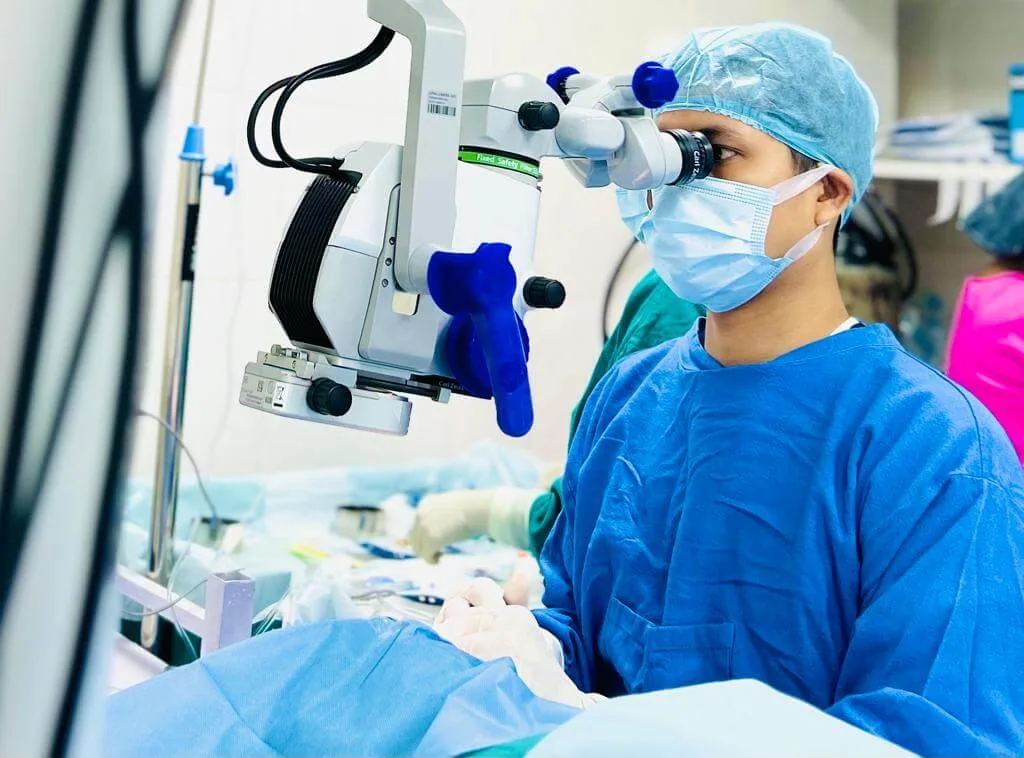
Choosing the Right Lens for Cataract Surgery: Monofocal, Toric, or Multifocal? A Surgeon's Guide
Confused between Monofocal, Toric, Multifocal, and EDOF intraocular lenses (IOLs)? Here is an honest, clinical breakdown to help you pick the perfect lens for your lifestyle, budget, and vision goals.
How Diabetes Secretly Damages Your Eyes: Early Warning Signs of Diabetic Retinopathy You Shouldn't Ignore
Diabetic retinopathy is the leading cause of preventable blindness in adults. Learn how diabetes silently affects retinal micro-vessels, why 20/20 vision can hide dangerous bleeding, and how early laser or anti-VEGF therapy saves sight.