
Choosing the Right Lens for Cataract Surgery: Monofocal, Toric, or Multifocal? A Surgeon's Guide
Confused between Monofocal, Toric, Multifocal, and EDOF intraocular lenses (IOLs)? Here is an honest, clinical breakdown to help you pick the perfect lens for your lifestyle, budget, and vision goals.
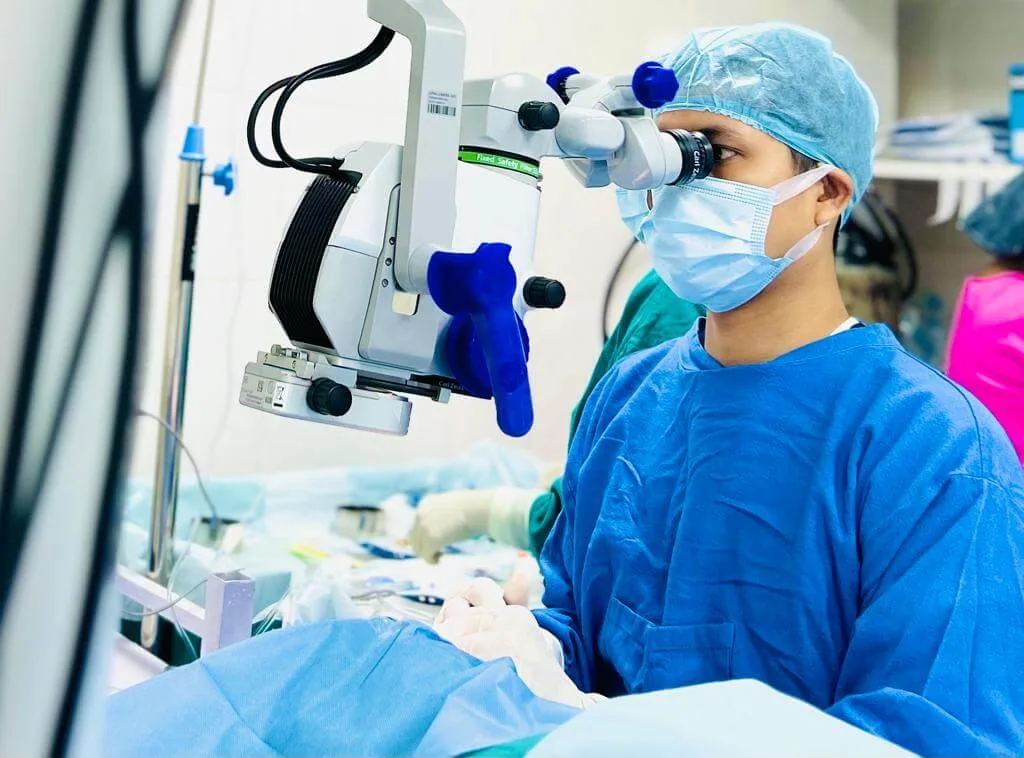
- A cataract cannot be dissolved with eye drops, diet, or eye exercises; surgical replacement of the cloudy natural lens with an artificial IOL is the only definitive cure.
- Monofocal lenses offer crystal-clear distance vision at a very economical cost, though you will still need reading glasses for near tasks.
- If you have corneal astigmatism (cylindrical power over 0.75D), a Toric IOL will dramatically sharpen your vision without requiring post-op cylindrical glasses.
- Multifocal and Extended Depth of Focus (EDOF) lenses provide maximum independence from glasses for distance, computer screens, and reading.
- The 'most expensive' lens is not necessarily the best for everyone; your daily hobbies, night driving frequency, and retinal health dictate the ideal choice.
1. The Big Decision: Why Lens Choice Matters So Much
When patients walk into our OPD at Ashvini Netralaya for a cataract evaluation, one question consistently creates anxiety: 'Doctor, which lens should I choose? There are so many options, and prices vary widely.'
During modern stitchless cataract surgery (Phacoemulsification), we remove your eye's natural cloudy lens using microscopic ultrasound vibrations through a tiny 1.8mm to 2.2mm opening. In its place, we insert a permanent, biocompatible artificial lens known as an Intraocular Lens (IOL). Unlike contact lenses, an IOL never needs cleaning, will never dislodge, and lasts a lifetime.
Because this lens stays with you permanently, choosing the right optic design is one of the most critical healthcare decisions you will make. Let us look past the marketing jargon and examine how each lens performs in the real world.
2. The Lens Types: Real Differences in Daily Vision
Monofocal, Toric, Multifocal, and EDOF Explained
To make an informed decision, you need to understand that lenses differ primarily in their focal points—the specific distances at which they bend light into sharp focus on your retina.
| Lens Type | Distance Vision (Driving, TV) | Intermediate (Computer, Mobile) | Near Vision (Reading, Sewing) | Ideal Candidate |
|---|---|---|---|---|
| Standard Monofocal | Sharp & High Contrast | Requires Reading Glasses | Requires Reading Glasses | Budget-conscious, patients happy wearing reading glasses |
| Toric Monofocal | Sharp & Corrects Astigmatism | Requires Reading Glasses | Requires Reading Glasses | Patients with cylindrical eye power (astigmatism > 0.75D) |
| Multifocal / Trifocal | Clear | Clear | Clear (90%+ glasses-free) | Active seniors who want minimal dependence on glasses |
| EDOF (Extended Depth) | Exceptional Clarity | Very Sharp & Seamless | May need light glasses for fine print | Night drivers, computer professionals, golf & sports players |
Surgeon's Rule of Thumb
If you spend 6 hours a day working on a laptop or driving at night, an EDOF or Monofocal lens often produces better optical satisfaction with fewer night-time halos than traditional multifocals.
3. What About Astigmatism? Why Toric Lenses Are Essential
Many people have an irregularly shaped cornea—shaped more like an oval rugby ball than a round basketball. This condition is called corneal astigmatism, and it causes blurry or shadowed vision regardless of distance.
If your pre-operative optical biometry (which we measure using high-precision non-contact laser biometers at Ashvini Netralaya) shows astigmatism above 0.75 to 1.0 diopter, a standard spherical lens will leave residual blurriness. You will still have to wear thick cylindrical glasses even for watching television.
A Toric IOL has customized astigmatic correction built right into the lens optic. During surgery, your surgeon precisely aligns the lens along the steep corneal axis. The result? Unprecedented high-definition distance vision without relying on glasses.
4. Who Should Avoid Multifocal Lenses?
Multifocal lenses split incoming light into multiple focal rings so you can see far and near. While this provides extraordinary freedom from spectacles, it requires a healthy retina and optic nerve.
If you have established diabetic retinopathy, age-related macular degeneration (AMD), or advanced glaucoma, light-splitting optics can diminish contrast sensitivity. In such cases, our surgeons strongly recommend a premium monofocal or aspheric monofocal lens, which delivers maximum light intensity to the retina.
Furthermore, if you drive commercial vehicles frequently at night, multifocal rings can occasionally produce faint halos around oncoming headlights. Being honest about your daily lifestyle ensures you love your new eyesight.
Beware of Unrealistic Guarantees
No ethical surgeon will promise '100% guarantee that you will never touch glasses again.' What premium multifocal and EDOF lenses deliver is 90% to 95% spectacle independence for your daily activities.
5. What to Expect on Surgery Day at Ashvini Netralaya
Gone are the days when cataract surgery meant a 3-day hospital admission and painful needle injections around the eyeball. At Ashvini Netralaya, modern Phaco surgery is a calm, outpatient experience:
1. **Topical Anesthetic Eye Drops**: No injections into the facial nerves. Numbing drops ensure you feel no pain during the procedure.
2. **Microscopic 1.8mm Incision**: The cataract is liquefied using gentle ultrasound waves, and the foldable lens is injected through an incision so small it seals naturally without a single suture.
3. **Procedure Duration**: The entire operation takes roughly 10 to 15 minutes in our laminar-flow modular operating theaters.
4. **Return Home the Same Day**: You can walk out within 2 hours wearing protective clear goggles and relax comfortably at home.
Frequently Asked Patient Questions
Can an intraocular lens (IOL) expire or slip out of place years later?
Does health insurance or Ayushman Bharat cover premium Toric and Multifocal lenses?
How long after surgery can I resume reading, cooking, or watching TV?
Ashvini Netralaya • Superspeciality Eye Hospital
Need a Specialist Eye Consultation or Second Opinion?
Ashvini Netralaya is Tripura's 1st and only NABH-accredited superspeciality eye hospital, offering state-of-the-art diagnostic and surgical eye care in central Agartala.
Related Clinical Treatments at Ashvini Netralaya
Recommended Eye Health Guides
View all articles →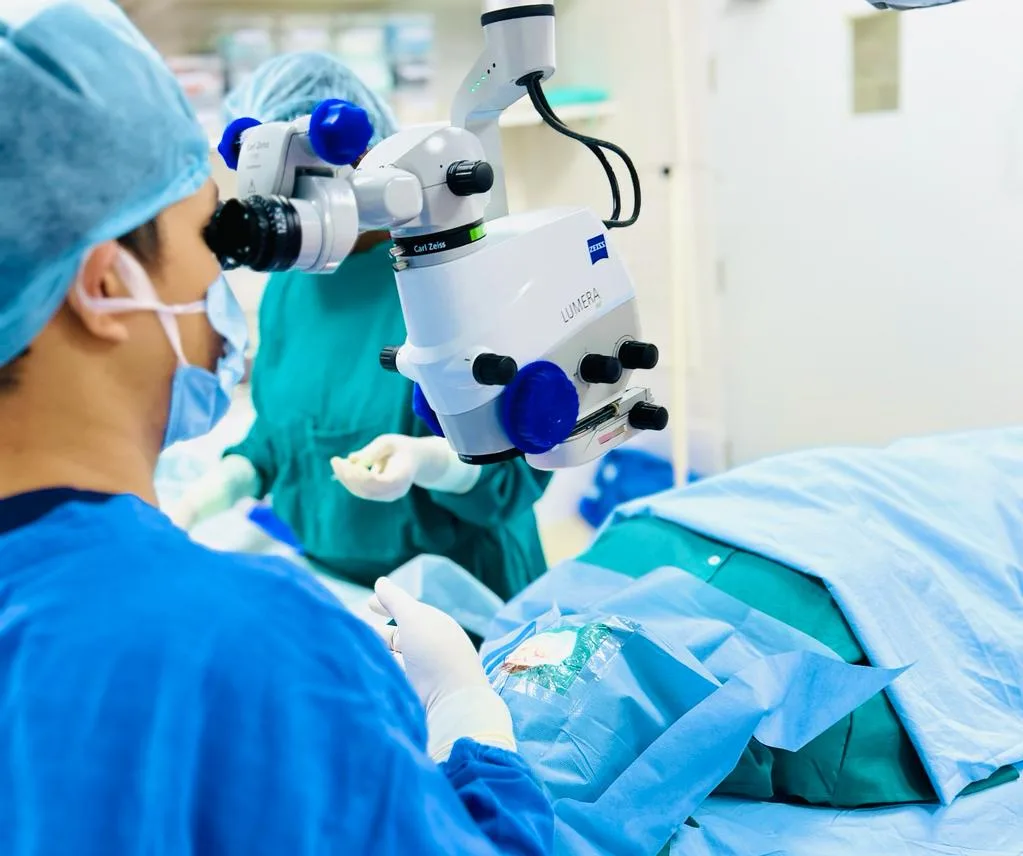
How Diabetes Secretly Damages Your Eyes: Early Warning Signs of Diabetic Retinopathy You Shouldn't Ignore
Diabetic retinopathy is the leading cause of preventable blindness in adults. Learn how diabetes silently affects retinal micro-vessels, why 20/20 vision can hide dangerous bleeding, and how early laser or anti-VEGF therapy saves sight.
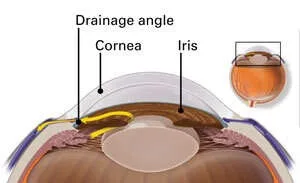
Glaucoma: The Silent Thief of Sight — Why Normal Vision Doesn't Always Mean Healthy Eyes
Glaucoma damages your optic nerve without causing pain, red eyes, or noticeable blurriness until 80% of fibers are permanently destroyed. Learn the risk factors, the importance of eye pressure screening, and modern pressure-lowering therapies.