
Glaucoma: The Silent Thief of Sight — Why Normal Vision Doesn't Always Mean Healthy Eyes
Glaucoma damages your optic nerve without causing pain, red eyes, or noticeable blurriness until 80% of fibers are permanently destroyed. Learn the risk factors, the importance of eye pressure screening, and modern pressure-lowering therapies.
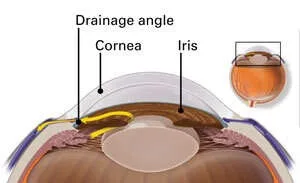
- Glaucoma causes irreversible optic nerve damage; vision lost to glaucoma can never be brought back, but further loss can be 100% prevented.
- Most glaucoma cases (Primary Open-Angle Glaucoma) are completely painless with no red eye, headaches, or early blurring.
- Normal eye pressure (IOP) ranges between 10 and 21 mmHg; however, up to 30% of Asian patients develop Normal Tension Glaucoma at normal pressure.
- A comprehensive glaucoma workup must include Goldmann applanation tonometry, gonioscopy, Humphrey Visual Field (HFA3) testing, and Zeiss OCT nerve fiber analysis.
- Daily compliance with prescribed pressure-lowering eye drops is life-saving for your vision; never stop drops without your doctor's explicit approval.
1. Why Glaucoma Is Feared Around the World
Imagine looking through a clean window where the outer edges slowly frost over, millimeter by millimeter, over several years. Because your central vision remains clear, your brain compensates and you don't notice anything wrong—until one day you bump into doorframes or trip over steps.
This is how Glaucoma behaves, earning its title as 'The Silent Thief of Sight.'
Your eye constantly produces a clear, nourishing fluid called aqueous humor. In a healthy eye, this fluid drains out through a microscopic meshwork at the angle between the iris and cornea. When this drainage becomes clogged or blocked, intraocular pressure (IOP) rises.
Over time, high pressure compresses and destroys the more than one million fragile nerve fibers forming your optic nerve—the cable that transmits visual data from your retina to your brain.
2. Open-Angle vs Closed-Angle Glaucoma: Key Differences
In India and Southeast Asia, both types of glaucoma are prevalent:
**Primary Open-Angle Glaucoma (POAG)**: The drainage canal appears open, but microscopic resistance causes pressure to rise slowly over months. It is 100% painless.
**Angle-Closure Glaucoma (PACG)**: More common in Asian eyes with anatomically shallow anterior chambers. The iris bunches up against the drainage meshwork, suddenly blocking fluid outflow. An acute angle-closure attack causes severe eye ache, violent one-sided headaches, nausea, vomiting, and colored rainbow halos around street lights. This is a medical emergency requiring urgent hospital intervention within hours.
Acute Attack Warning
If you experience sudden severe eye pain accompanied by a pounding headache, nausea, and hazy vision with rainbow halos, rush to the emergency room immediately. Delayed care can cause permanent blindness within 24 to 48 hours.
3. Who Is Most at Risk?
While anyone can develop glaucoma, you need immediate screening if you possess any of the following risk factors:
- **Age Over 40**: The risk of glaucoma climbs substantially with each decade of life.
- **Family History**: Having a first-degree relative (parent or sibling) with glaucoma increases your personal risk 4 to 9 times.
- **Steroid Use**: Using over-the-counter steroid eye drops (often sold illegally for red eyes) or taking systemic steroid inhalers/tablets.
- **High Myopia (Short-sightedness) or High Hyperopia**: Anatomically predisposes eyes to open or narrow angles.
- **Diabetes & Hypertension**: Compromises microvascular perfusion to the optic nerve head.
4. The Modern 4-Pillar Glaucoma Diagnostic Battery
At Ashvini Netralaya, we never diagnose or rule out glaucoma on eye pressure alone. A complete assessment requires four precision tests:
1. **Goldmann Applanation Tonometry**: The international gold standard for measuring true intraocular pressure.
2. **Gonioscopy**: Examining the microscopic drainage angle using a specialized multi-mirror contact lens to differentiate open versus narrow angles.
3. **Humphrey Visual Field Analysis (HFA3)**: Computerized perimetry mapping your peripheral visual sensitivity to detect early functional blind spots before you notice them.
4. **Carl Zeiss Cirrus OCT (RNFL & Ganglion Cell Complex)**: Optical coherence tomography measuring the structural thickness of your retinal nerve fiber layer with sub-micron precision.
5. Treatment Options: Eye Drops, Lasers, and Surgery
Although lost optic nerve fibers cannot be regenerated, we can reliably halt further damage by lowering intraocular pressure to your individualized 'Target Pressure':
- **Prescription Eye Drops**: Prostaglandin analogs, Beta-blockers, and Carbonic Anhydrase inhibitors either reduce fluid production or boost drainage. Must be taken consistently every single day.
- **Nd:YAG Laser Peripheral Iridotomy (LPI)**: A 2-minute outpatient laser procedure that creates a microscopic safety bypass in the iris, permanently preventing acute angle-closure attacks.
- **Trabeculectomy & Valve Implants**: Precision microsurgery creating a new drainage channel (bleb) under the eyelid when medications and lasers cannot control eye pressure.
Frequently Asked Patient Questions
If I don't feel any pain or blurriness, why do I have to take eye drops every day?
Can lifestyle changes or eye yoga cure glaucoma?
Is laser treatment for narrow-angle glaucoma painful?
Ashvini Netralaya • Superspeciality Eye Hospital
Need a Specialist Eye Consultation or Second Opinion?
Ashvini Netralaya is Tripura's 1st and only NABH-accredited superspeciality eye hospital, offering state-of-the-art diagnostic and surgical eye care in central Agartala.
Related Clinical Treatments at Ashvini Netralaya
Recommended Eye Health Guides
View all articles →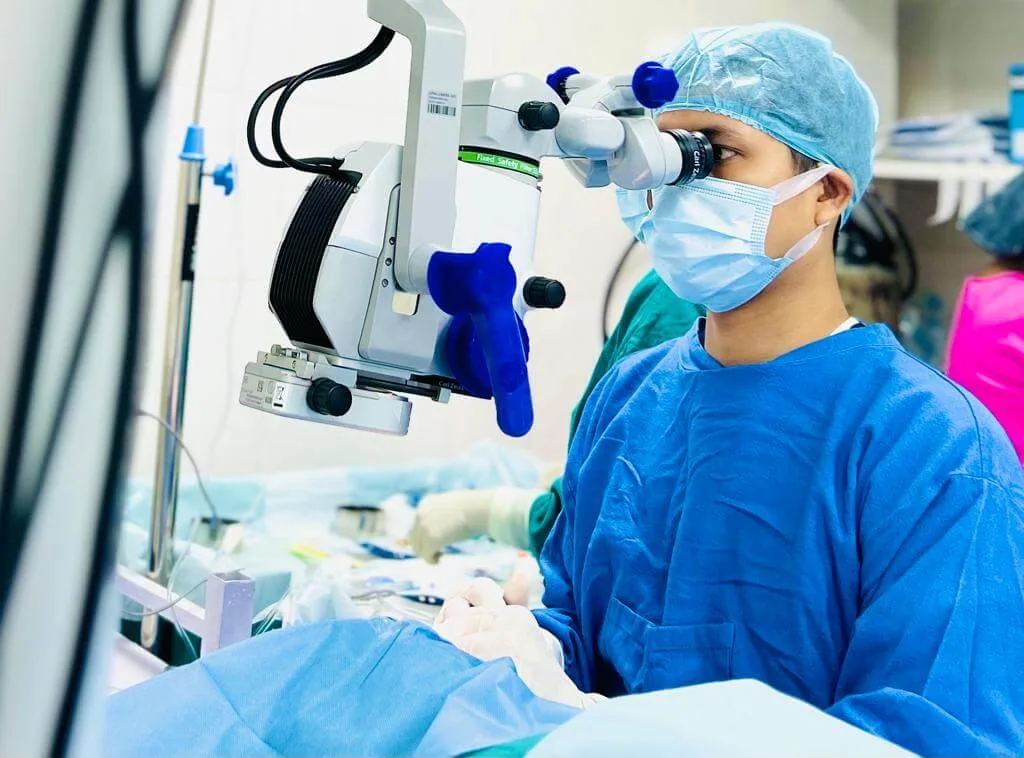
Choosing the Right Lens for Cataract Surgery: Monofocal, Toric, or Multifocal? A Surgeon's Guide
Confused between Monofocal, Toric, Multifocal, and EDOF intraocular lenses (IOLs)? Here is an honest, clinical breakdown to help you pick the perfect lens for your lifestyle, budget, and vision goals.
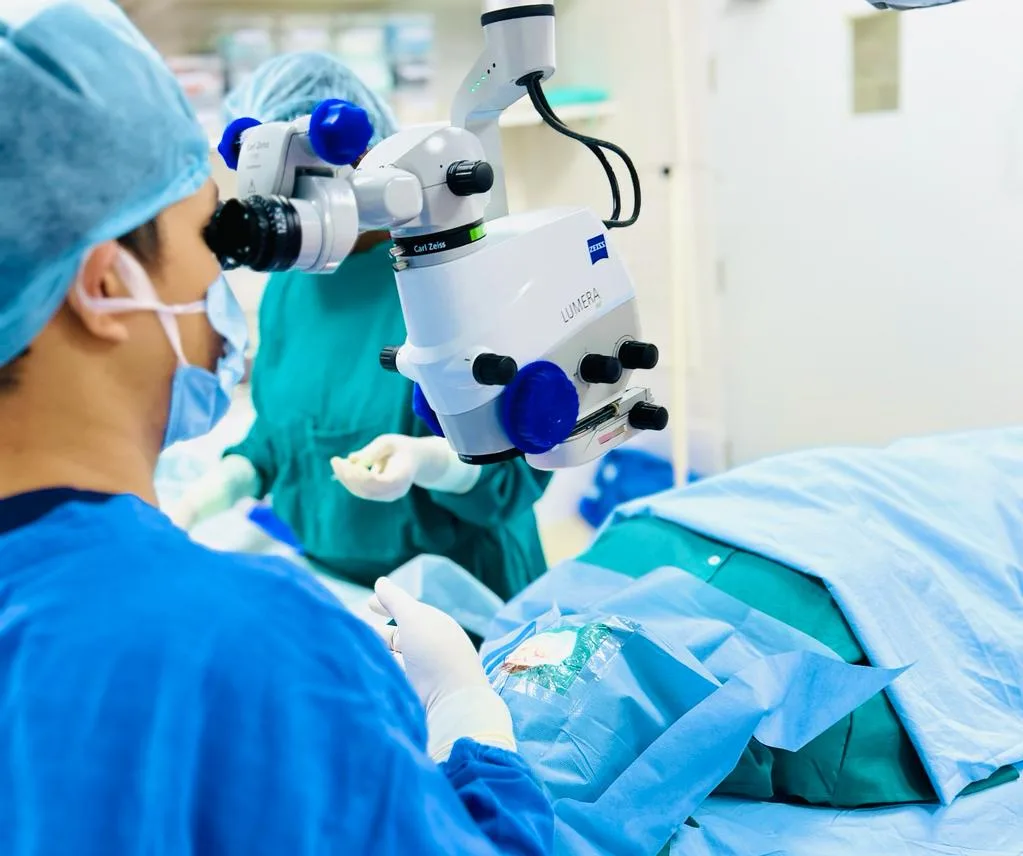
How Diabetes Secretly Damages Your Eyes: Early Warning Signs of Diabetic Retinopathy You Shouldn't Ignore
Diabetic retinopathy is the leading cause of preventable blindness in adults. Learn how diabetes silently affects retinal micro-vessels, why 20/20 vision can hide dangerous bleeding, and how early laser or anti-VEGF therapy saves sight.