
Children, Smartphones & Glasses: How to Protect Your Child's Vision in the Digital Age
Childhood myopia (short-sightedness) is rising rapidly across Tripura. Discover how screen time triggers eyeball elongation, why outdoor sunlight protects vision, and how to spot silent squint and lazy eye (amblyopia) before age 8.
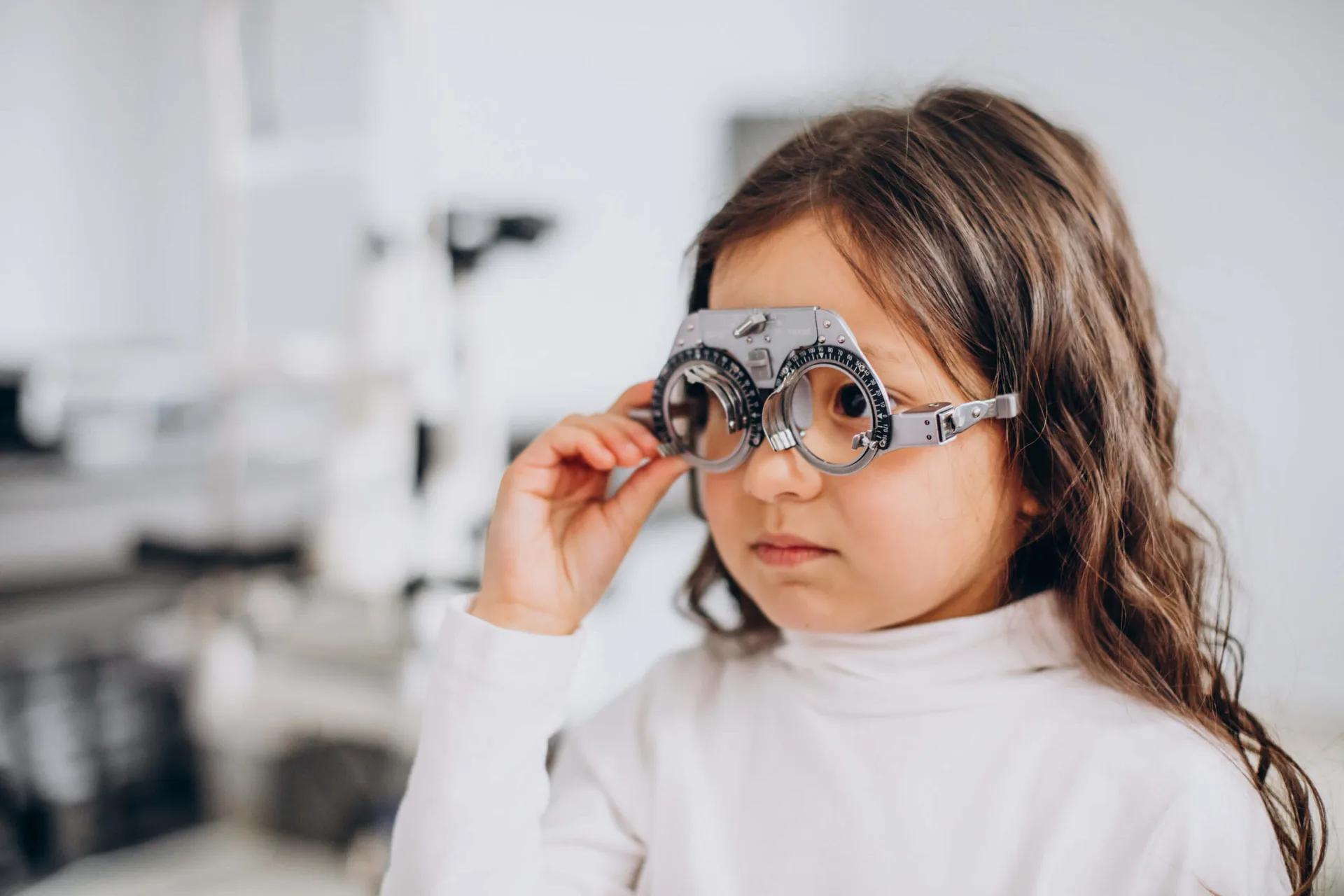
- School-age children who spend more than 2 hours daily on smartphones and tablets have a 3x higher risk of developing progressive myopia.
- Natural outdoor sunlight triggers dopamine release in the retina, which slows the abnormal elongation of the growing eyeball.
- Amblyopia (Lazy Eye) must be detected and treated with occlusion patching before age 7 to 8; after age 9, brain visual neural plasticity drops significantly.
- Squint (strabismus) is never a 'cosmetic flaw that a child will outgrow'; untreated squint causes permanent suppression of 3D depth perception.
- Every child should have their first professional dilated eye exam before entering primary school, even if they never complain of blurry vision.
1. The Modern Myopia Boom: What Is Happening to Our Children?
In school vision screening camps conducted across Agartala and rural Tripura by the Ashvini Netralaya team, we are observing an unprecedented trend: nearly 30% of school-age children now require corrective glasses, compared to fewer than 12% a generation ago.
What has changed? Our children's visual environment.
When a child looks at a smartphone or tablet held 20 centimeters from their face, their eyes are locked into continuous accommodation and convergence. The ciliary muscles spasm, and physiological signals cause the growing eyeball to elongate from front to back (axial elongation).
Because an elongated eyeball focuses distant light in front of the retina rather than directly upon it, distance vision becomes blurred—a condition known as Myopia or short-sightedness.
2. The Biological Magic of Outdoor Sunlight
Parents often ask: 'Doctor, should we ban screens completely?' While reducing recreational screen time is vital, clinical research from worldwide ophthalmic trials highlights an even more powerful protective factor: **Outdoor Sunlight**.
When children play outdoors in natural daylight (even on cloudy days), light levels of 10,000 lux or higher stimulate specialized amacrine cells in the retina to produce dopamine. Dopamine acts as a natural brake, halting abnormal elongation of the sclera and eyeball.
Clinical trials demonstrate that just **90 to 120 minutes of daily outdoor play** reduces the risk of developing myopia by up to 50%.
The 20-20-20 Rule for Study Sessions
Teach your child the 20-20-20 rule: Every 20 minutes of reading or screen work, look up at an object at least 20 feet away for 20 seconds. This relaxes the intraocular focusing muscles instantly.
3. Warning Signs Parents Frequently Miss
Young children rarely say, 'Mummy, my left eye is blurry.' To a child, however they see is what they assume everyone sees. Watch closely for these telltale behavioral signs:
- Squinting or narrowing eyes when looking at the classroom blackboard or television.
- Sitting abnormally close to the television or holding books inches from the nose.
- Tilting the head or turning one ear forward to look at faces.
- Frequent eye rubbing, excessive blinking, or red, watery eyes after school.
- Avoiding reading or sports, or declining school grades despite good intellect.
4. Amblyopia (Lazy Eye): The Critical Age-8 Window
If one eye has a high refractive power while the other eye is normal, or if one eye has a slight squint, the developing brain receives a blurred image from the weaker eye. To avoid confusion, the brain simply ignores (suppresses) the signal from that eye.
This is **Amblyopia** (Lazy Eye). The eye appears physically normal, but the brain never develops the neural wiring to see 20/20.
The critical window for treating amblyopia is before the age of 7 or 8. By prescribing corrective glasses and patching the stronger eye for a few hours daily, we force the brain to activate the weaker eye. If left undetected until teenage years, the visual impairment becomes permanent and cannot be corrected by glasses or surgery.
5. Squint (Strabismus): Never Wait for a Child to 'Outgrow' It
A persistent myth in our society is that a baby's crossed eyes will 'straighten out as they grow up.' This is biologically false and medically dangerous.
While mild transient uncoordinated eye movements are common in infants under 4 months, any misalignment persisting beyond 4 months requires immediate evaluation by a paediatric ophthalmologist.
At Ashvini Netralaya, paediatric strabismus management includes refractive correction with specialized glasses, vision therapy, and precision extraocular muscle realignment surgery. Realigning the visual axes restores stereopsis—the precious 3D depth perception essential for driving, sports, and fine motor professions.
Frequently Asked Patient Questions
At what age should my child have their first eye test?
Can special blue-light filter glasses stop myopia from getting worse?
Is squint surgery for children safe?
Ashvini Netralaya • Superspeciality Eye Hospital
Need a Specialist Eye Consultation or Second Opinion?
Ashvini Netralaya is Tripura's 1st and only NABH-accredited superspeciality eye hospital, offering state-of-the-art diagnostic and surgical eye care in central Agartala.
Related Clinical Treatments at Ashvini Netralaya
Recommended Eye Health Guides
View all articles →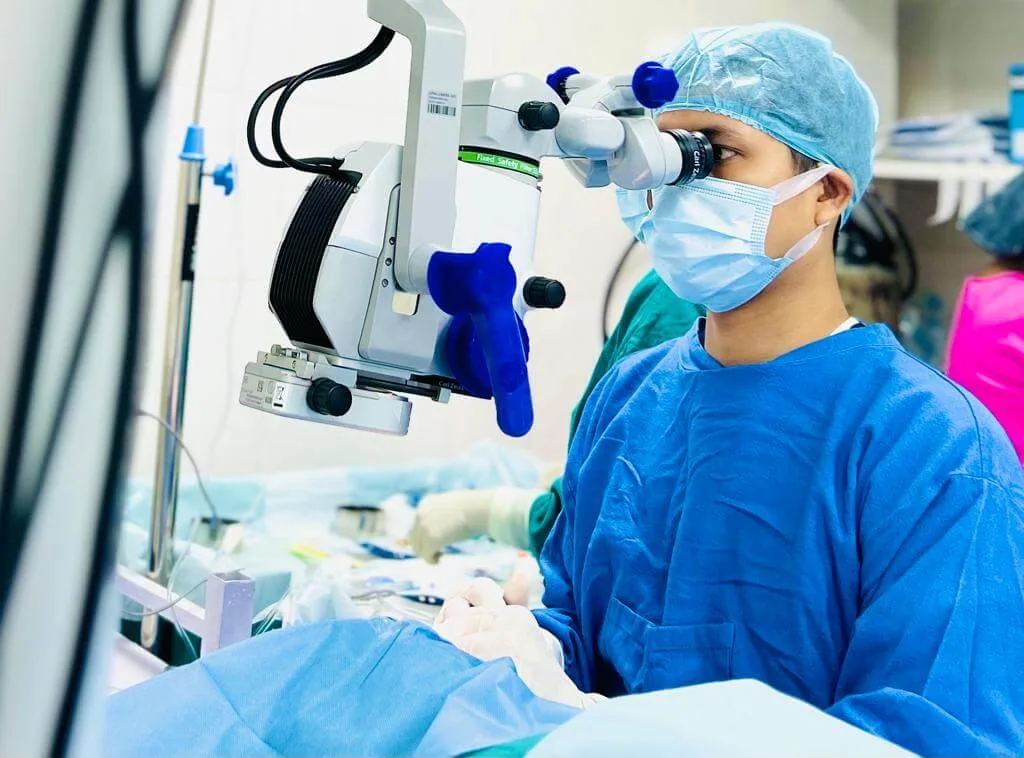
Choosing the Right Lens for Cataract Surgery: Monofocal, Toric, or Multifocal? A Surgeon's Guide
Confused between Monofocal, Toric, Multifocal, and EDOF intraocular lenses (IOLs)? Here is an honest, clinical breakdown to help you pick the perfect lens for your lifestyle, budget, and vision goals.
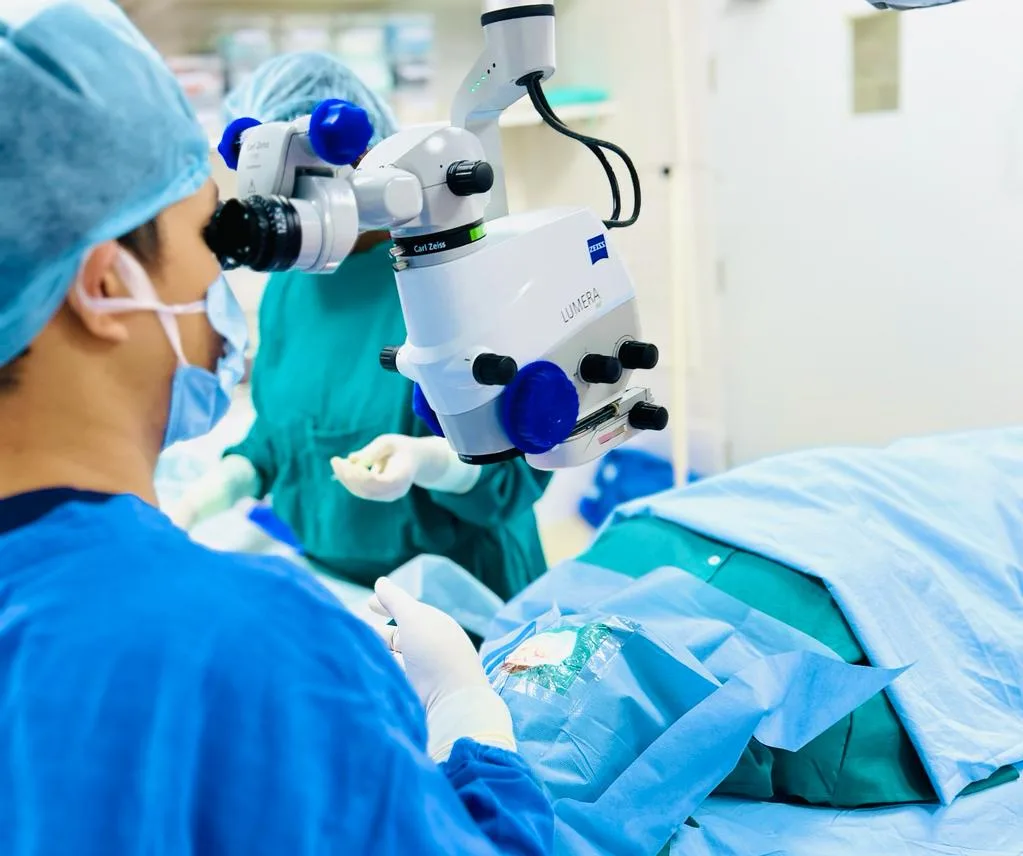
How Diabetes Secretly Damages Your Eyes: Early Warning Signs of Diabetic Retinopathy You Shouldn't Ignore
Diabetic retinopathy is the leading cause of preventable blindness in adults. Learn how diabetes silently affects retinal micro-vessels, why 20/20 vision can hide dangerous bleeding, and how early laser or anti-VEGF therapy saves sight.