
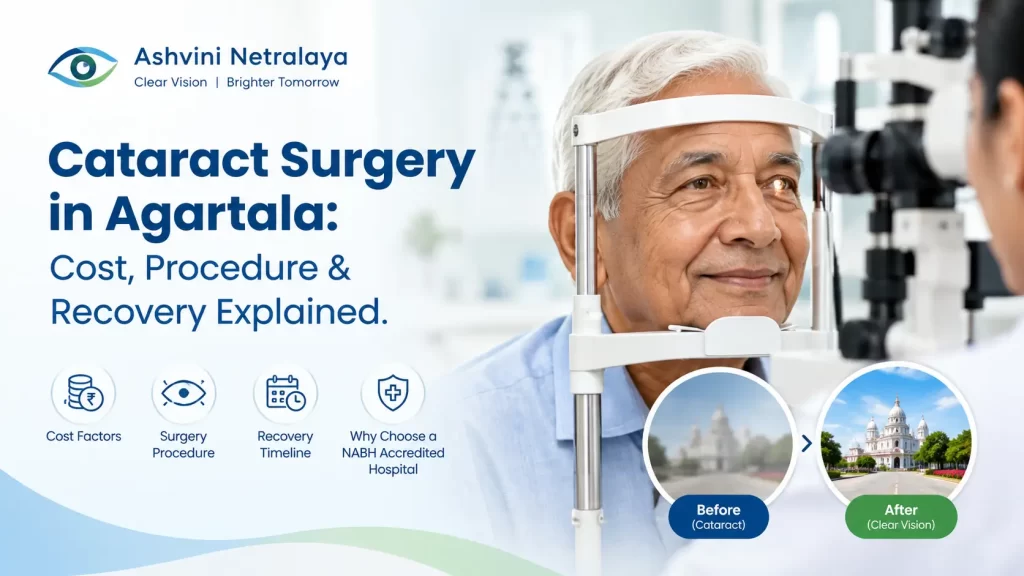
Cataract Surgery in Agartala: What to know
Cataracts are one of the most common age-related eye conditions. They occur when the eye’s natural lens gradually becomes cloudy, causing blurred vision, glare, difficulty seeing at night and faded colours. Fortunately, cataract surgery is one of the safest and most commonly performed surgeries in the world.
If you are researching cataract surgery in Agartala, understanding the procedure, recovery process and factors that influence the overall expense can make the decision much easier. The cataract surgery cost Agartala patients pay can vary from one person to another, so getting a personalised assessment from an eye specialist is important.
What Is Cataract Surgery and How Does It Work?
A cataract develops when the natural lens inside the eye becomes cloudy. Because this lens helps focus light onto the retina, clouding can gradually affect the clarity of your vision.
Cataract surgery involves removing the cloudy natural lens and replacing it with a clear artificial lens called an intraocular lens (IOL). The IOL remains inside the eye and helps restore clearer vision.
There are different surgical techniques available. Phaco surgery, or phacoemulsification, uses advanced technology to break the cloudy lens into smaller pieces so it can be removed before an IOL is placed. MSICS (Manual Small Incision Cataract Surgery) is another established technique used for cataract removal.
The most appropriate approach depends on factors such as the condition of the eye, cataract characteristics, overall eye health and the surgeon’s assessment.
What Factors Affect the Cost of Cataract Surgery?
When searching online for cataract surgery cost Agartala, it is important to remember that there is no single price that applies to every patient. The final cost can depend on several factors.
1. Surgical technique: The technique recommended for you can affect the overall cost. Hospitals may offer procedures such as Phaco and MSICS depending on the patient’s requirements.
2. Type of IOL: The intraocular lens selected can also influence the total expense. For example, a monofocal IOL is designed primarily to provide clear vision at one distance, while certain multifocal or advanced IOL options may provide a wider range of vision. The right choice depends on your eyes, lifestyle and doctor’s recommendation.
3. Hospital infrastructure and services: Costs may also vary according to the hospital’s facilities, operating-room infrastructure, diagnostic services, equipment, professional care and follow-up support.
Because these factors differ between patients, it is better to request a personalised estimate rather than rely on an online figure. At Ashvini Netralaya, patients can discuss their individual requirements and receive information about suitable surgical options and the expected cost after assessment.
The Cataract Surgery Procedure Step-by-Step
For many patients, the thought of eye surgery is more worrying than the actual experience. Knowing what to expect can help.
Pre-operative check-up: Before surgery, the ophthalmologist examines your eyes and assesses the cataract. Measurements are also taken to help determine the appropriate IOL. Your medical history and any existing eye conditions are considered before surgery is planned.
On the day of surgery: The eye is prepared and local anaesthesia is generally used to keep the procedure comfortable. The surgeon makes a small opening, removes the cloudy natural lens and places the selected IOL inside the eye.
After the procedure: Cataract surgery is generally performed as a short procedure, and many patients can return home the same day after the medical team confirms that they are ready. Your hospital will provide specific instructions regarding medicines, eye drops, follow-up and activities.
At Ashvini Netralaya, both Phaco and MSICS cataract surgery techniques are offered, allowing the ophthalmologist to recommend an approach based on the patient’s individual needs.
Recovery Timeline and Aftercare
One of the common questions patients ask is about cataract surgery recovery time. Recovery varies from person to person, but many patients notice an improvement in vision relatively soon after surgery.
Most people can gradually return to normal activities within a few days to a couple of weeks, depending on their individual recovery and the advice of their ophthalmologist. Your doctor will let you know when it is appropriate to resume particular activities.
Follow-up appointments are an important part of recovery. Your ophthalmologist may monitor your vision, check how the eye is healing and adjust treatment if necessary. Eye drops may also be prescribed as part of post-operative care.
Patients are generally advised to protect the operated eye, avoid rubbing it and follow all instructions provided by their surgical team. If you experience unusual pain, sudden vision changes, increasing redness or other concerning symptoms, contact your eye-care team promptly.
Why Choose a NABH-Accredited Hospital for Cataract Surgery?
Choosing a hospital is about more than comparing costs. Quality systems, patient safety, trained professionals, appropriate infrastructure and clear clinical processes are important considerations when selecting a facility for eye surgery.
NABH accreditation is associated with standards covering areas such as patient safety, infection control, clinical processes, documentation and quality management. NABH describes accreditation as recognition based on an independent external assessment against established healthcare standards.
For patients considering cataract surgery in Tripura, choosing a hospital with appropriate accreditation and infrastructure can provide additional reassurance.
Ashvini Netralaya is part of Tripura’s first NABH-accredited superspeciality eye hospital and offers both Phaco and MSICS cataract surgery techniques. Patients can discuss their vision concerns, surgical options, IOL choices and expected expenses with the hospital team before making a decision.
Frequently Asked Questions
Is cataract surgery painful?
Cataract surgery is generally performed using anaesthesia to keep the procedure comfortable. Most patients do not experience significant pain during surgery. Some mild discomfort, irritation or temporary blurring may occur during recovery, but your ophthalmologist will guide you about what is normal.
How long does cataract surgery take?
Cataract surgery is usually a relatively short procedure. The exact time can vary depending on the surgical technique, the patient’s eye condition and other factors. Your hospital can explain what to expect during your consultation.
Is cataract surgery covered by insurance?
Cataract surgery may be covered by certain health insurance policies, subject to the policy’s terms, eligibility criteria, network hospitals and applicable limits. It is advisable to confirm coverage and any required documentation with your insurer and hospital before scheduling surgery.
Book a Cataract Consultation in Agartala
If cloudy vision is affecting your daily life, an eye examination can help determine whether cataract surgery is appropriate for you. Rather than choosing a hospital based only on an advertised price, consider the surgical technique, IOL options, medical expertise, infrastructure, accreditation and aftercare.
